

If, for whatever reason, a moviegoer is searching for a genre providing an endless stream of features which utilise allegorical narrative metaphors to essentially document the real-life horrors we face in our own lives, then horror tends to be the number one place to go. Horror filmmakers make use of fictional, almost extraordinary plot elements such as the supernatural, the extraterrestrial, the serial killer, the uncanny, or the post-apocalyptic to present and tackle the more grounded societal ills posing as more of a threat than any masked, knife-wielding killer ever could.
One subgenre of horror which depicts societal decay beautifully is, of course, the zombie genre, which is recognised by its inclusion of humans who have either been infected by a ravenous virus or have risen from the dead, hunting the living as merciless cannibals. The zombie trope also ties into the post-apocalyptic, showcasing the zombie infection as a catastrophic global event which has reduced civilisation to ashes and forcing any survivors to face the most extreme lengths to stay alive in a world which now may not be worth staying alive for.
The latest contribution to the zombie horror genre,Uncontained, iswritten, directed by, and stars Nelson Morley, leading a cast of additional names including Peter O’Meara, Courtney Blythe Turk, Hayley LeBlanc, Brett Zimmerman, Jack Nelson and Brooke Nelson.Centred in North America’s wintry forests, devoid of proximity to other humans, a plague which reduces its victims to feral-like monsters ravages civilisation. A lonely drifter who spends his days avoiding detection and making it to the next sunrise finds his focus shifting when he becomes the sole protector of two young siblings who have transformed their home into a fortress of safety from the infected, yet their true enemy may be passersby who don’t need the virus to be reduced to amoral threats.
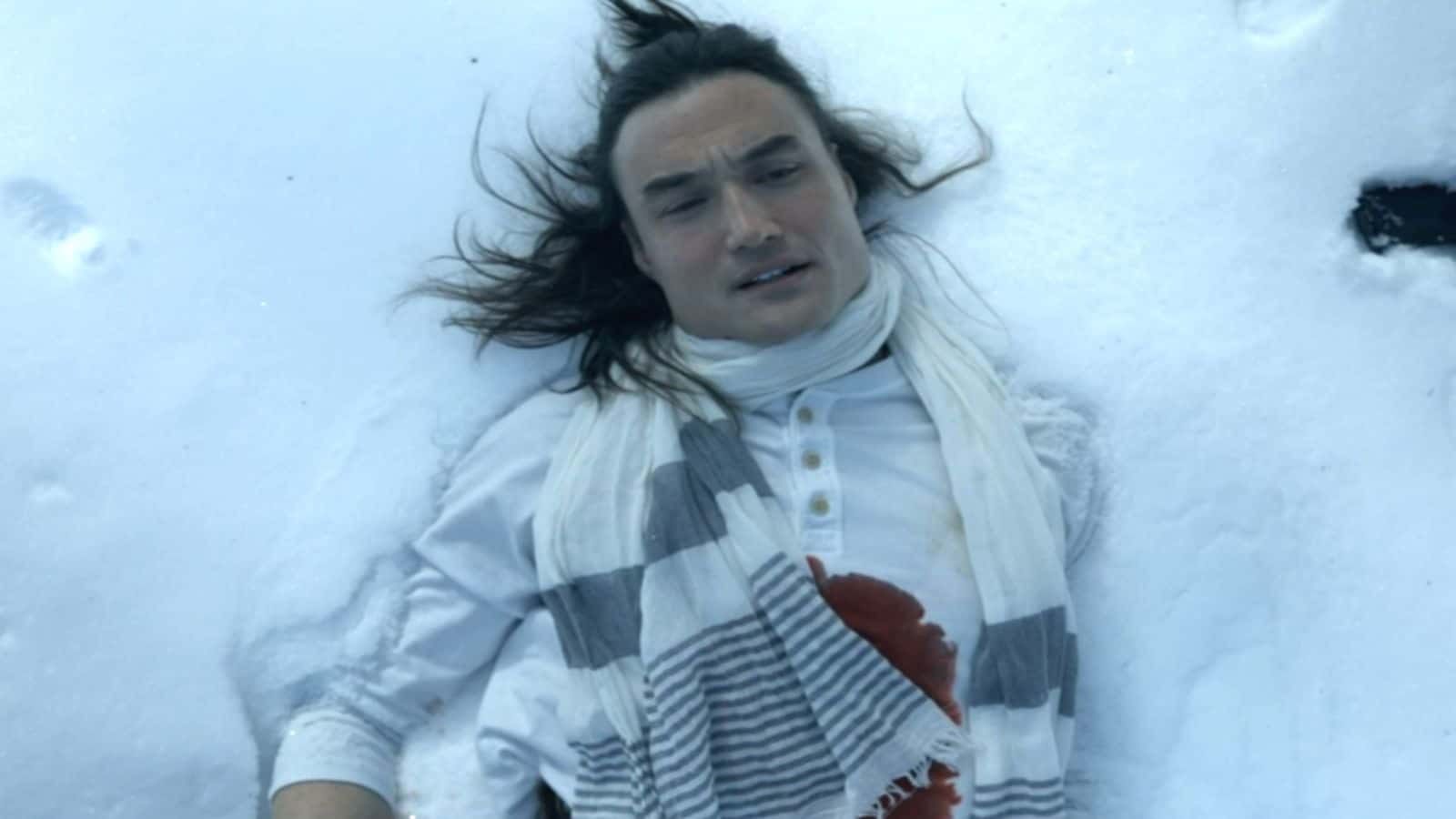
Nelson Morley in Uncontained
Nelson’s script and geographical location waste no time in cementing the startling components of what a successful zombie/post-apocalyptic horror needs to achieve mass impact, something I was able to discuss with him in a recent Soundsphere interview, as well as horror’s growing impact as a societal reflection despite extreme narratives and how independent (horror) filmmaking is making newfound waves. His direction channels the tonal need for the isolation, fear, hopelessness, paranoia, and lack of trust between other people, which no other horror film approach or subgenre captures quite like the zombie take, especially in a post-COVID world where we learned that humankind turning on, blaming and isolating one another in the face of such an immense epidemic would happen like wildfire.
For Nelson, this reading is amplified by his own wife and children featuring in the film as those he has to protect from two major threats, blurring the lines between the personal and the fictionalised professional mindset and pushing his artistry in such a thematically important film genre to new lengths.
“I don’t know how you write and direct a film without being personal in some way, shape, or form, but for having sat with it for more than a year now… I would say, as a parent, that is the number one viewpoint I have,” the actor and filmmaker explained. “And so, I see the entire film as, like, a snapshot of a moment in time that my family and I got to work together, come together.”
He also touched upon the concept of making a film, or any work of art, is “…creating something that essentially every single person is breathing life into” and due to the personal involvement, he “….can’t help but see past the illusion of the story.” He additionally addressed how, when “you’re a writer”, you have to take on the experience of “everyone saying, ‘oh, you have to tell… you have to be vulnerable with your truth, and the way this prompted him to look to his work and ask himself, ‘what does that mean, right? Like, really, what does that mean? Like, how deep, and how vulnerable, and how embarrassing do you need to be?”
“The truth tends to be your life experiences that you’re willing to bear, and willing to push your kinds of sensibility,” Nelson added. “I think a lot of people say it’s the director’s vision that they’re putting in there.”
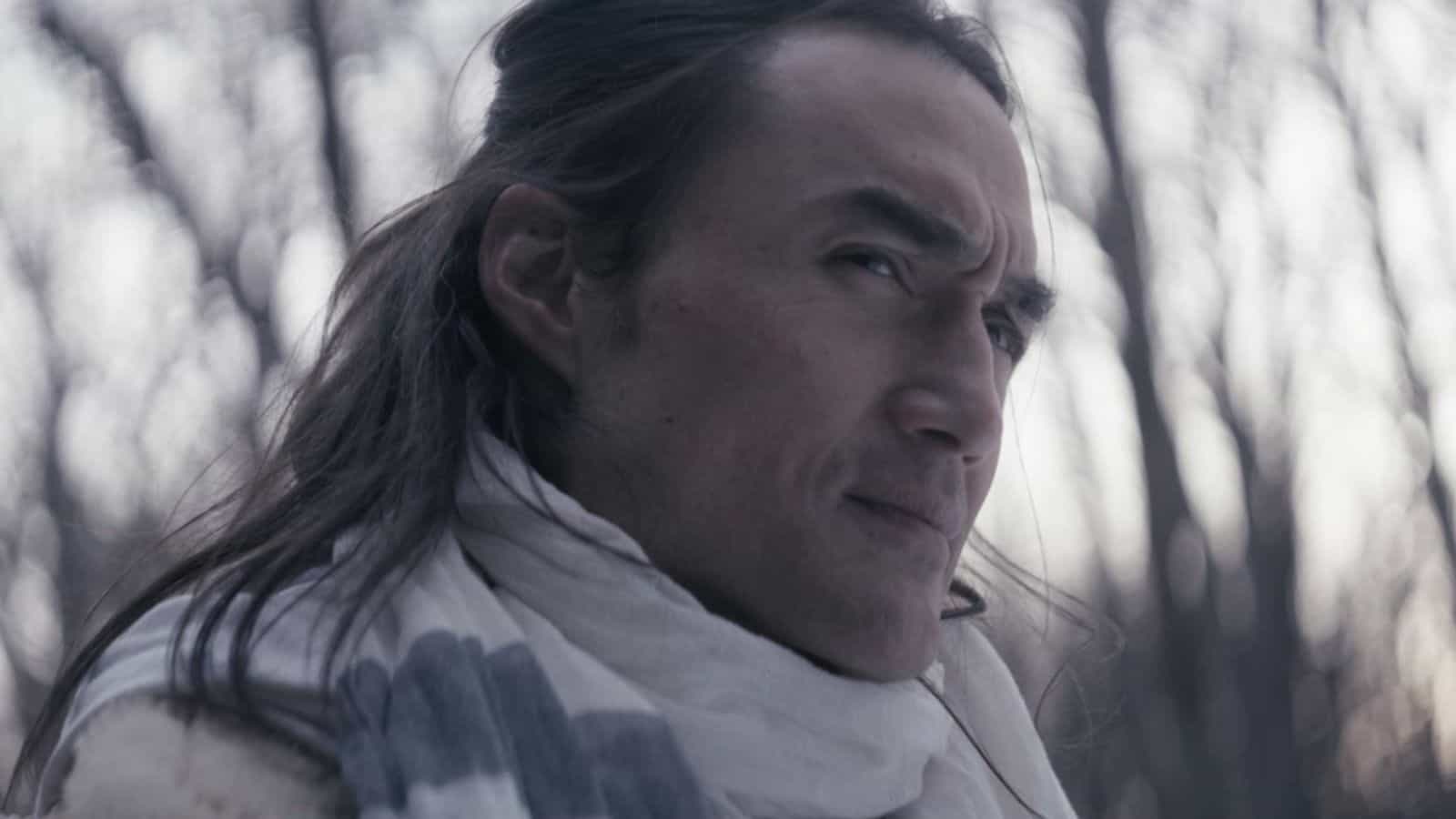 Touching more upon the film’s inspirations, Nelson tells us how “Uncontained is structured very much like a Western”, as influenced by filmmaker Sergio Corbucci, mostly how “The scenery is phenomenal, and the way he establishes physical geography is amazing, and that allows for your emotional geography to start in, set in.”
“But I feel like his characters are so damaged, right? Like, the damaged hero when he comes in, and he may have some kind of, like, he may be the fastest drawer, he may have, like, a super awesome weapon, or whatever, but once that’s removed from [them], they’re left with [wondering] ‘what is it about me that actually makes me heroic, and how do I dig into that? And am I going to dig into that to protect this village, or family, or whatever else,’” the filmmaker adds.
As previously mentioned, Nelson’s Uncontainedtakes place in a landscape where community, proximity, and, in a lot of subsequent ways, safety are eliminated. For the director,resonating with the tonal component of pure, terrifying isolation is “one of the key factors [he] had in mind when [he] was producing and then writing this film, Steven Spielberg said: for Jaws to work, you absolutely had to feel like there was no way they could just swim to shore, or call for help, or whatever. It had to be complete isolation. And where [he] lives, at times, it feels pretty isolated.”
Basing its script around thematic explorations, elevated horror, Uncontainedstrives not to be just a gore-fest zombie flick where you’re only watching to see some cool zombie walks and kills, but instead gifts you an insight into human connection undergoing the test posed by such a global crisis where people seem to take every and any opportunity to turn on one another. The children in the film have to deal with intruders posing as guests, taking up space in their fortress and whispering about stealing all they have after performing to their faces as allies. The film’s central protagonist, Brett, uses brutish force when hunting down and attacking anyone in sight, yet is dedicated to protecting his daughter, alluding to questions about what makes such film characters heroes or villains.
Nelsonaddresses the work and status of previous horror filmmakers, such as George Romero’s Night of the Living Dead and John Carpenter’s They Live!, who have dabbled in embedding into their socially critical horror works a “vision of saying: ‘this is what I like about society, and this is what I hate about society’”. The filmmaker goes on to hopefully lead horror lovers into actively watching these films and remembering how they “….need to take account right now, and maybe interrogate some of these themes that are going on in our lives right now and how are we as human beings faring.”
Conversations around Nelson’s work lead swiftly to theidea that independent horror holds more of a thematic weight, and if you make an independent horror or a film, you are gifted with more creative freedom to let loose on an emotionally or intellectually divine story to stimulate audiences’ cognitive activity rather than having to abide by a studio’s demand of meeting a specific box office number and so throwing out all the tried and true genre clichés. And for Nelson, the creative freedom is intellectual or personal studies presented as cinematic metaphors on society in times of crisis, the government, and people turning on each other.
It is the maintaining and development of high-quality horror narratives such as this which are helping in cementing the genre as a truly significant, analytical, look into societal ills but also providing tools and resources into how we can do better and why we should work so hard to do so.
Nelsonstates: “I’m watching it happen as a horror fan; it’s kind of like: ‘well, finally’. It’s nice, too, because as a horror fan, there is a lot of stuff that because of the system and roadblocks, or whatever else, you have to… you end up watching a lot of fantastic shorts on YouTube.”
Addressing other horror films made by the Philip Bou Brothers, which “….return on investment was so huge, but you just don’t read about it or hear about it in the trades”, Nelson shares his verdict that “we’re having that moment that finally the trades are catching up and [proving] you cannot ignore the three giant movies that happened: Iron Long, Obsession, and Backrooms.”
The last two films mentioned were undoubtedly some of 2026’s biggest horror, or just film, releases. Curry Barker, who began his filmmaking career as a YouTube short creator, released his second feature, Obsession, after making the horror on a budget of no more than $750,000. With excellent marketing and word-of-mouth due to its intriguing subject matter and subsequent debates on meaning, the film ended up making $525 million worldwide and is now 2026’s tenth highest-grossing release as well as the fifth highest-grossing horror movie of all time. Horror fans are in agreement that releases such as this are further proving horror’s storytelling potential, generating critical discourse, as well as independently made and originally conceived ideas garnering large audiences, profit and cultural significance.
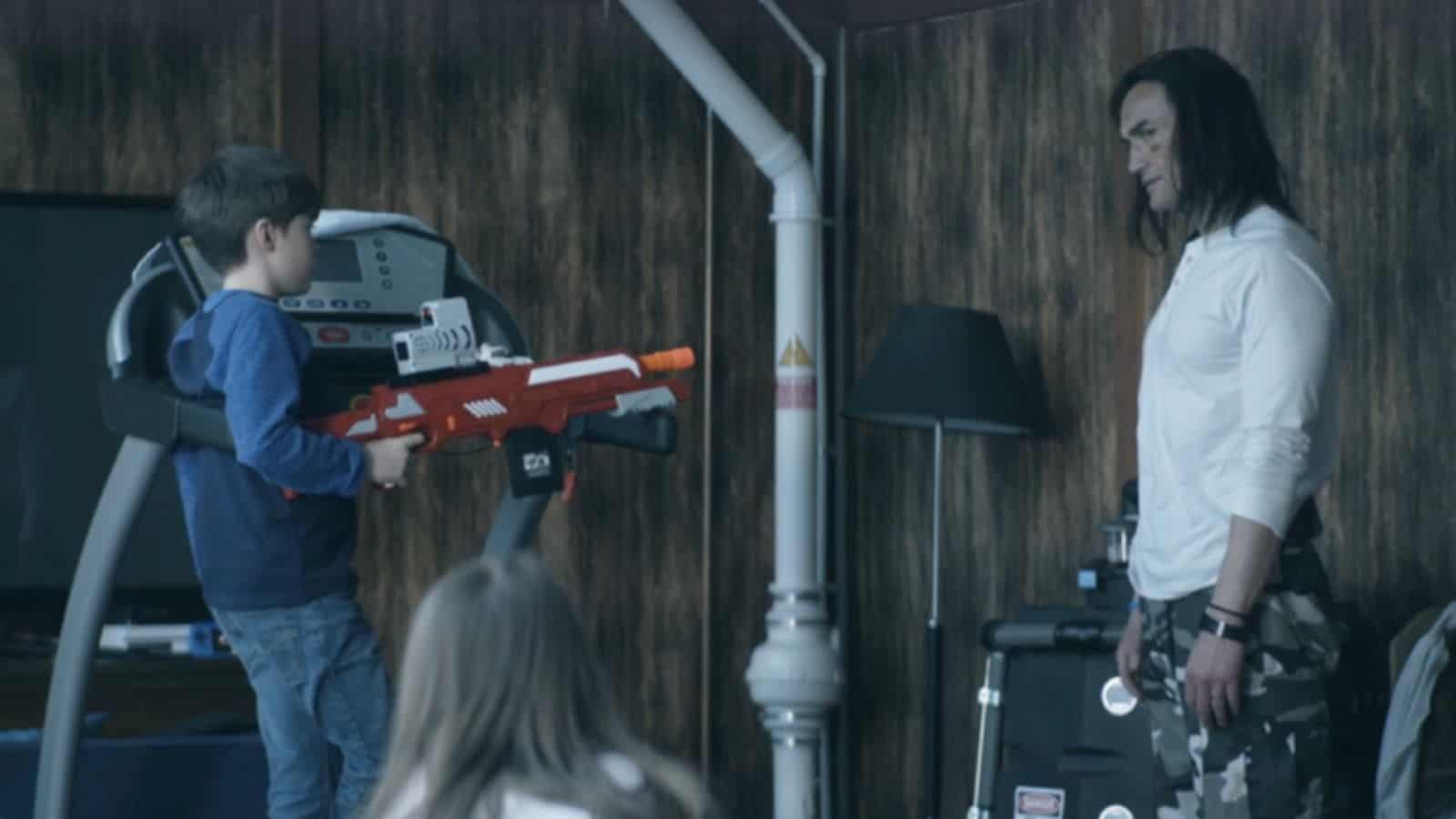 Additionally, Uncontained’s echoing of the world’s response to COVID-19 and the startling lack of a mass alliance between people of diverse backgrounds and identities is one of the most captivating and timely relevant allegories the horror genre can take to in our current, dire social climate. As for another? Well, it’s fair to predict right now that the new wave of social horror films will most likely be about AI and the detrimental repercussions it will bring to humankind, with over-reliance on Artificial Intelligence infecting humans’ previous love for art, in addition to work and even human companionship and relationships.
Nelson touches upon this mass use of tech, reminding us how “we’re also at a point, too, where I think people forget that we’re storytellers, right? Like, whatever culture you’re from, every culture is a storytelling culture, and I think we’re tapping into doing a little bit of story.”
“… I mean, in fact, it’s kind of ironic that Instagram has stories, right?” he adds. “And you post a 15-second story every day, and I think that is… might be self-destructive for us, because you’re like, ‘oh, I feel sad… I feel satiated with telling my story’. But that was a 15-second blurb out of your life; that’s not what storytelling is.”
The actor additionally urges filmmaking and art’s importance in our world, especially in scary, unnerving times, as it allows for connection, education and embrace.“Storytelling is… is a little bit of discipline, sitting down and writing whatever that story is… is taking the form of, or the shape of. And I think if we’re truly gonna connect to each other, we still need that discipline of telling and sitting down and writing out our stories, right?” Nelson comments. “And whether they end up being devoured through reading, or viewing, or listening, whatever it is, I think we need to get back to, kind of, our storytelling roots, you know, as multiple societies.”
Uncontaineddefinitely comes into its sub-genre as its own, providingits exploration of what it means to be human, such as protecting your loved ones, as well as maintaining adversity in the face of societal breakdown, representation of unseen identities and how we can still make our world better in dire times. We see a chosen family, something which should be read as a beacon of hope when included in horror or the post-apocalyptic sub-genre, as well as a conclusion which strongly emphasises and anchors itself on the commitment to remain dependent on and protective of those closest to us.