
Are you old enough to remember buying a CD to put into your car’s stereo system? Maybe you’re old enough to remember cassettes and the multitude of times where the tape would get stuck so you would have to manually rewind the tape – hoping it isn’t completely ruined. You may even be old enough to remember the prime of vinyl, walking into your local record store and flipping through hundreds of different LPs until something catches your eye. At this point these may seem like distant memories; however, with the rise of streaming, criticism towards how platforms handle paying their artists has risen.
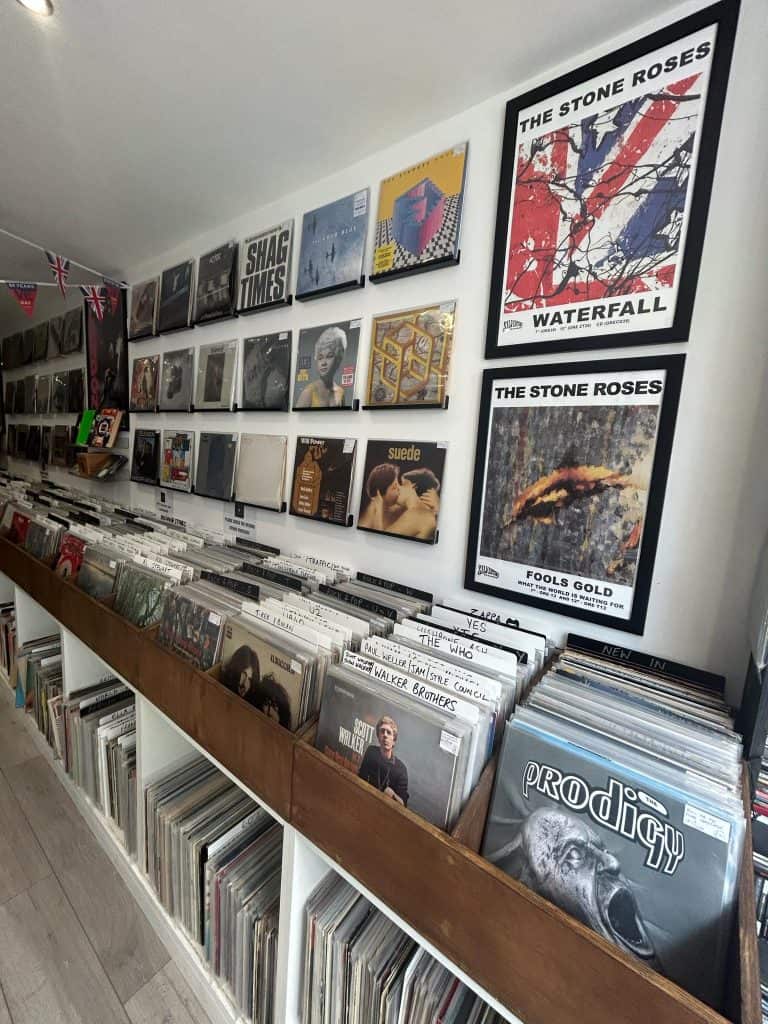
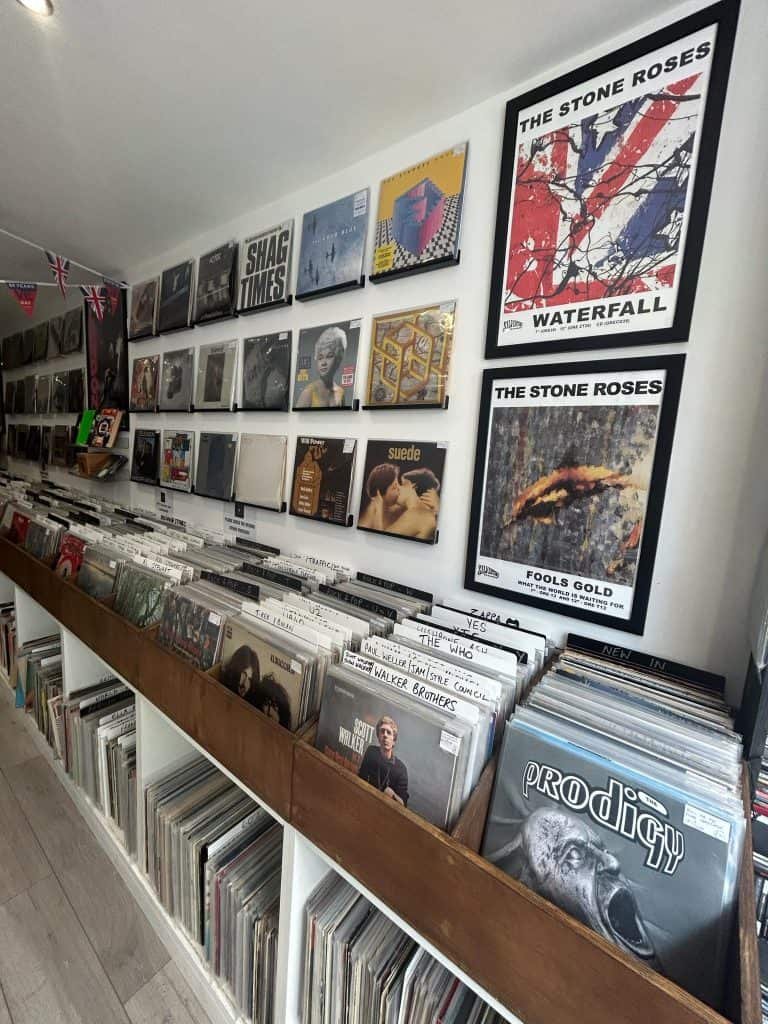
Tower Music
Gone are the times of struggling to find the section of your local store that still carries the same five CDs. Records are back on the table with plenty of selection and options for stores. Big markets like HMV and local record stores are seeing a rise in demand – indicating a want for physical media. The RIAA reported recently that vinyl sales have been rising over the last 19 consecutive years – 2025 seeing a 9% increase from 2024. Places like the US take up the lions’ share – responsible for 50% of global revenue. Either way you look at it – vinyl seems to be back on the table as a common choice of listening.
To anyone paying attention, this comes as no surprise. Underground artists never let go of selling their albums physically – with artists like Mach-Hommy infamously having multiple releases be physical only. With music making an estimated $11.5 billion, streaming services earned around $6.4 billion of that total. Despite that, the rates at which these platforms pay artists is exceedingly low, paying around $3 to $5 for 100 streams. Compared to the amount of money an artist could generate from physical sales – it’s not a surprise the medium has seen an uptick.
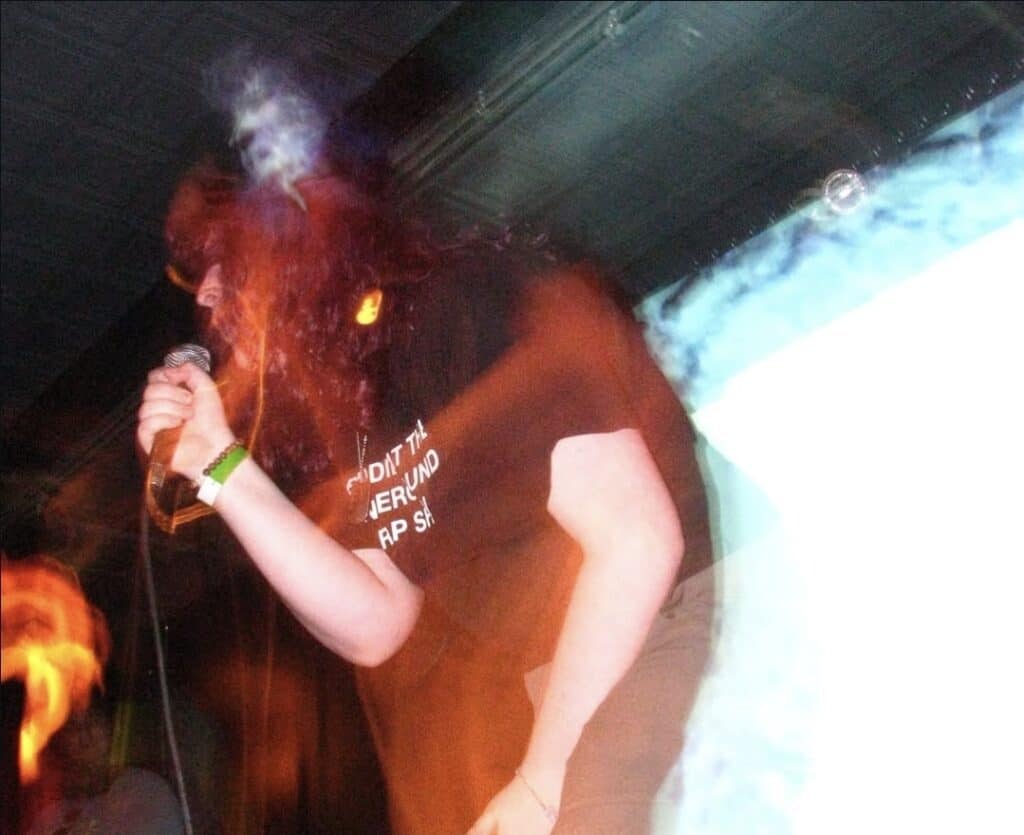
EmmyBOOM
The shift seen in recent memory with the rise of physical media has managed to help out artists in many ways. On Spotify, to make $1 you must earn 200 to 333 streams – that’s a possible 300 people having to listen to your song. An underground artist may not even amass that in a month. One artist who is hopeful about the future of physicals is emmyBOOM, an underground hip-hop artist from New Jersey affiliated with the likes of Danny Brown. It should come as no surprise that Emmy takes heavy inspiration from the trendsetter with her sound. Her work seems to be paying off, gaining recognition from many of her peers online, and work with bigger artists, such as Squadda B – a fellow Bruiser Brigade alumni. Her music has been on the front page of streaming service Bandcamp’s hip-hop and new releases section, as well as seeing praise from critics like Anthony Fantano.
When talking about Spotify, Emmy wasn’t quick to hold her tongue: “Spotify, I have been paid enough where I could buy a fucking meal at McDonald’s if I was lucky.” Her words echoed a venomous hiss, a justified frustration and anger with the way Spotify’s payment system works. An artist of her size isn’t exactly raking in pools of money, these platforms work based off of a subscription based revenue service as well as a reliance on advertisements. Resulting in this, Spotify has generated over $19 billion in 2025 alone. Compared to her payout of what she equates to a “McChicken”. She went on to further detail issues she has with Spotify as an underground artist – remarking that “You have to get a certain amount of income before you could even cash out of the bank. I think you need $12 of income before you can cash out.” Artists who generate less than $12 of revenue aren’t even able to withdraw that money from the streaming titan – essentially locking out a majority of artists from earning money on the platform; after all not everyone is as big as Taylor Swift or Drake.
“If I sell a CD for $15, that immediately is better.” Emmy said, her words as explosively delivered as her raps, revealing a sense of pride in making her albums physically. “I was doing my own, like, CDs for a while, which was, like, you know, the most rewarding way of putting my music out.” Her words seemed to come with a sense of cheeriness, absent from when she talked about her earnings on streaming, she seemed to be proud of managing to make her own art into a physical format and selling out the stock of her CDs. “It was real money instead of just fucking scraping by.”
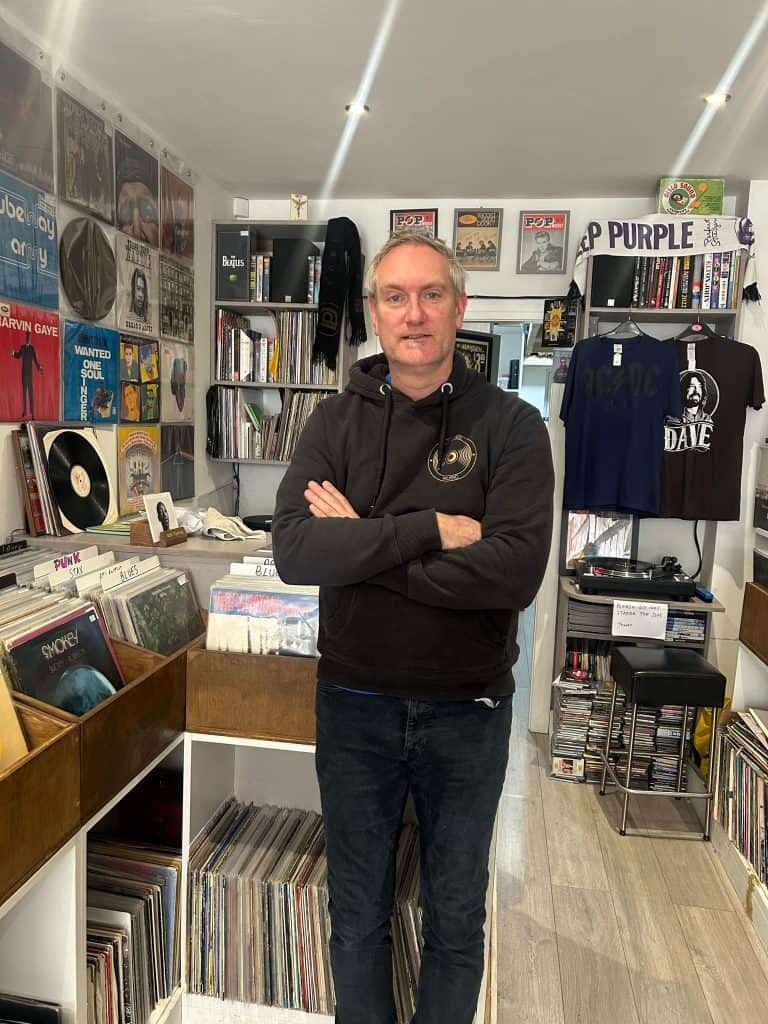
Lee Arnold in Tower Music via Discover Darwen
While the rise of physical media has been beneficial for underground artists, there are also positive implications for your classic record store. Flipping through hundreds of vinyl for a hidden gem is an unrivalled feeling – and one store that is still operating is Tower Music, based in Darwen in the UK. Lee Arnold, the owner, has been a collector for decades and believes records are in a great place right now: “I think it’s as good as ever, it’s gone through periods in the 90s when nobody wanted to know about records.” His knowledge on music and records is clear just by looking at the store. End to end, filled with what seems to be thousands or records, CDs and more. He even remarks about a limited release of Aphex Twin’s debut album on cassette, a piece only those with knowledge in the space would even know existed.
Lee’s expertise on the subject came with an enthusiastic view on the modern state of record collecting, “you go and spend 20 quid on a record, you can keep it for the rest of your life, can’t you? The older generation, it’s a rediscovery but for the young ones, it’s something new.” Lee has been operating his store for three years, in that time he has seen many customers come and go – from “schoolchildren” to people in their 60s, it seems the hobby has seen an increase in the younger generation. As Lee himself says, it’s a thing of nostalgia for the older folk and something new and exciting for the younger generations. While he does sing the praises of records, Lee isn’t a purist: “Even if I like an album, I’ll have it on Spotify, but I’ll also buy the album. It won’t stop me buying the album.” The record store owner himself views both physical and streaming as a hand-in-hand relationship. While he is optimistic to see the rise of physicals back on the block, it seems Lee is just happy to see newer generations getting into a hobby he’s enjoyed for decades.
Brick and mortar establishments aren’t the only places benefitting. Online retailers are a key element with the modern way of purchasing physical music. One of these companies is Big Things ITW, an artist-run manufacturer-storefront for CDs. The people behind the brand are artists Zach Jada, Hi, I’m Chris and EMBY MATTHEWS.
Big Things ITW logo by Zach Jada
Talking to the three artists, it was clear they all shared a keen sense of humor and passion towards bringing the CD market towards underground artists. Being musicians themselves, they prioritise connections with artists and care put into each CD. Chris even remarked about his own run-ins with manufacturers: “I did a vinyl campaign once with a company and they were really mean and greedy. The vinyl turned out fine – people loved them but they were just really rude and took forever.” When looking at their own ventures in physical media it is clear they want to make sure the process is smooth for everyone – boasting a 70% share of revenue to the artist, essentially unheard of with streaming or other manufacturers.
With all of these different perspectives, it’s clear to see that physical media is doing a lot to benefit artists and companies alike. Be that Taylor Swift or an underground artist or company, it’s clear that these elements are having a positive effect on the space. Maybe instead of streaming an album you love, you can pick up a CD or vinyl from a store – online or physically – to support the people behind the art we covet so deeply.