

Life on the road now stretches well beyond soundchecks, service stations and the occasional late-night load-out. Your phone or laptop can keep a tour running and help you reach listeners between shows, even when you are hundreds of miles from home. But relying on technology also creates distractions and vulnerabilities that need some thought.

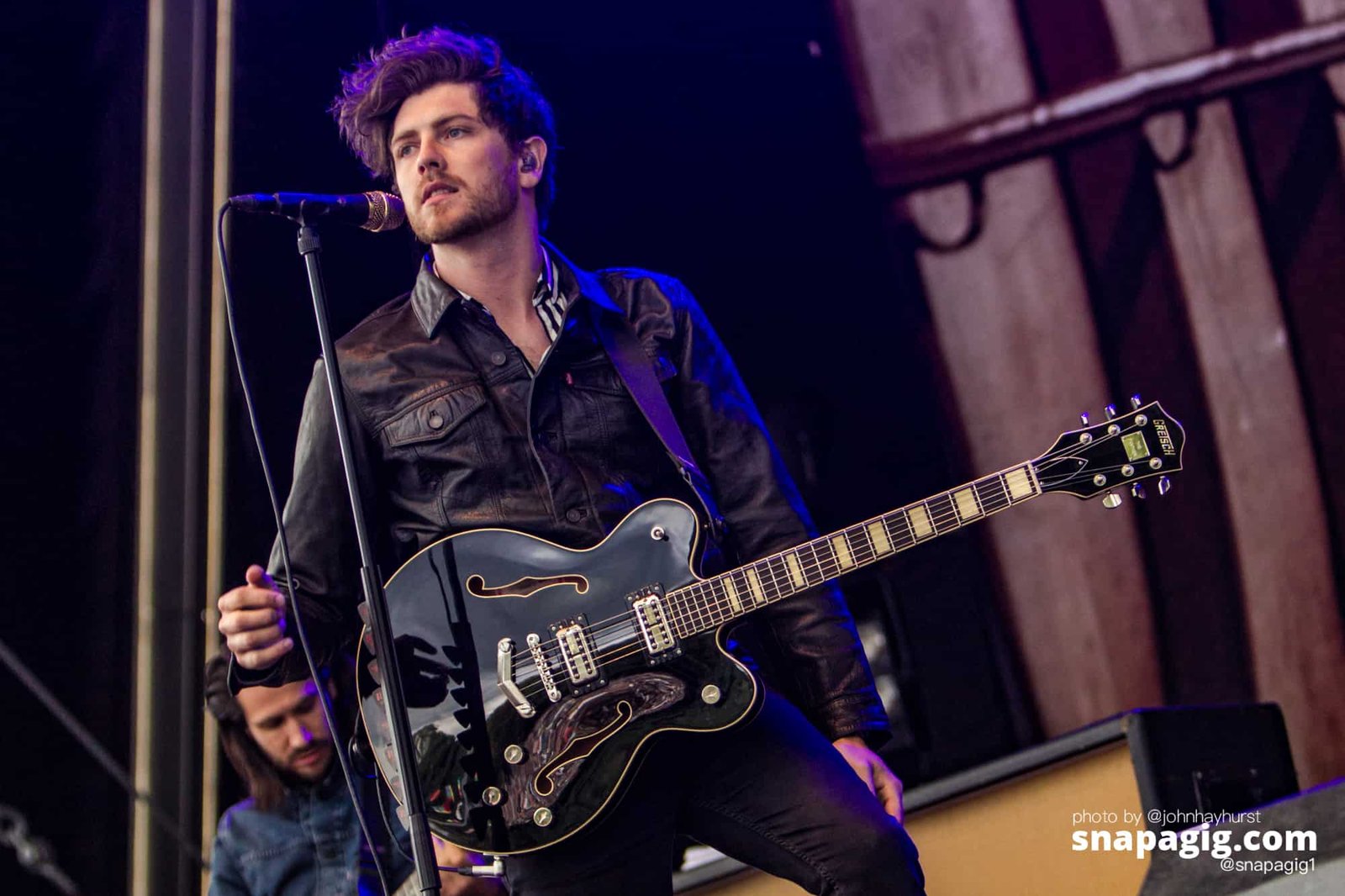
Manic Street Preachers | Bingley Music Live 2017 | Photo by John Hayhurst
Staying connected on the road
Reliable internet is crucial when your team needs an updated stage plot or a promoter changes tomorrow’s timings. Venues and hotels can deliver patchy connections, particularly when lots of people share the same network.
But there are ways to build some resilience into your setup. Keep essential itineraries and contacts available offline. And if venue Wi-Fi struggles, a phone hotspot or portable router can provide an alternative, subject to your data allowance and local coverage.
Communication works better when everybody knows where to look. Your band might keep urgent updates in one group chat while storing schedules and production documents in a shared workspace. This kind of separation stops a revised load-in time disappearing beneath photos, jokes or other casual messages.
Protecting privacy and data while touring
Public networks at airports and cafés deserve some level of caution, particularly if you’re accessing sensitive emails or financial accounts. You can reduce your exposure by keeping devices updated and enabling multi-factor authentication. Avoid sensitive work on networks you do not trust.
A VPN can encrypt the connection between your device and the VPN service. If money is tight, a free VPN for PCmay offer a practical starting point, although you should check the provider’s privacy policy and business model before relying on it.
Back up irreplaceable material separately, too. Losing a laptop is inconvenient, but losing the only copy of new demos or contracts can derail work long after you replace the machine. Treat digital security like looking after your passport to make protecting valuable files part of life on the road.
Creative tools for performance and collaboration
Technology has the power to remove friction from making and performing music. Shared cloud folders can move mixes between band members in different cities, while digital calendars give musicians and crew one current version of the schedule.
Onstage, software can handle backing tracks or visual cues, allowing smaller acts to reproduce arrangements that once required more equipment and bigger teams. Away from the venue, a phone can capture a stripped-back session for listeners without turning every day into a content shoot.
Indie and alternative artists can experiment particularly freely: a remotely recorded guest part might enter tomorrow’s set, while simple projection can give a DIY show a stronger visual identity.
Balancing tech and authenticity
The useful question is not how much technology you can add, but whether it serves the experience you want to create. If filming every backstage moment makes conversations feel like content opportunities, leave some of them undocumented.
Give digital tools specific jobs and boundaries. You might schedule posts before soundcheck and silence notifications during rehearsals. Then spend a few minutes talking to people at the merch table after your set.
Technology can support your work without becoming the work itself, leaving space for the music and the community forming around it.